What Kind of Parents Do Art-Loving Kids Need in the AI Era?
Published January 2025
What is Drawing?
When children pick up a brush and doodle, what are they doing? Are they "drawing"? Not exactly. They are "creating"—using lines and colors to transform the images in their minds into something visible.
This ability is called creativity.
Creativity isn't exclusive to geniuses—it's an innate instinct every child is born with. They don't need to learn to draw a cat "correctly"; they just need to draw the cat that lives in their heart.
AI is Here—Does Drawing Still Matter?
Many people worry: AI can now create more beautiful artwork than humans. Is there still any point in children learning to draw?
The answer is: more than ever.
AI can indeed produce stunning images, but it cannot "imagine." It can generate a tiger based on instructions, but it doesn't know "I want to draw a flying, rainbow-colored tiger because that's a friend I met in my dream."
The essence of children's drawing isn't about producing a "picture"—it's about exercising imagination and expression. These two abilities are precisely what AI cannot replace.
The Parent's Role: From "Teaching" to "Accompanying"
Many parents, upon seeing their child's "abstract" creation, instinctively correct: "That's not how you draw the sun" or "People should have five fingers."
But this is precisely the greatest harm to creativity.
Psychological research shows that children aged 2-7 are in the "preoperational stage," understanding the world through their own logic rather than adult standards. When we correct them, we're actually telling them: "Your imagination is wrong."
Good parents aren't teachers but audience members—watching children draw, asking "What is this? Tell me about it?", and then listening intently to their wild stories.
AI Can Become a Child's "Magic Paintbrush"
Since AI is here, why not make it a friend rather than an enemy for children?
Imagine this scene: a child draws a wobbly dinosaur, and with an AI tool, it instantly transforms into a vivid, colorful 3D dinosaur. The child's eyes light up: "Wow, I drew this!"
This experience isn't replacing children's creation—it's amplifying it. It tells children: "What's in my head can become reality."
This is what KidsAI wants to do. We don't want to teach children how to draw; we want children to believe that their imagination is the most precious thing in the world.
Three Tips for Parents
- Don't judge—listen. Asking "What story does this picture tell?" is more meaningful than saying "That's beautiful."
- Don't correct—appreciate. Every wobbly line is a child's unique expression.
- Use tools wisely to amplify imagination. AI isn't a monster—it can become wings for children to explore their creativity.
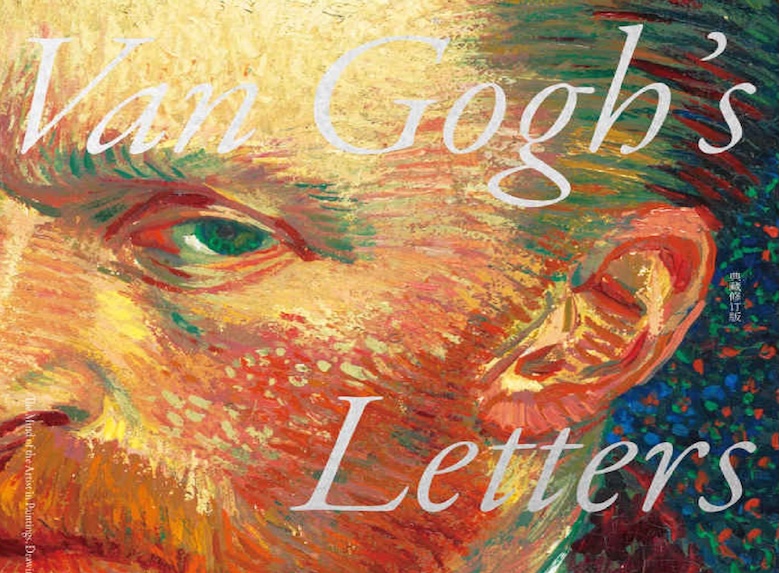
Van Gogh Said
"If you hear a voice within you say 'you cannot paint,' then by all means paint, and that voice will be silenced."
— Vincent van Gogh, letter to his brother Theo
Van Gogh created over 2,000 works in his lifetime, yet he was hardly ever recognized while alive. What kept him going was his brother Theo's unconditional trust and companionship.
Every art-loving child needs a "Theo." As parents, we cannot decide whether our children will become artists, but we can choose: to be the one who believes in them and accompanies them, right now.
Creativity is the scarcest ability in the AI era. Please protect it.